
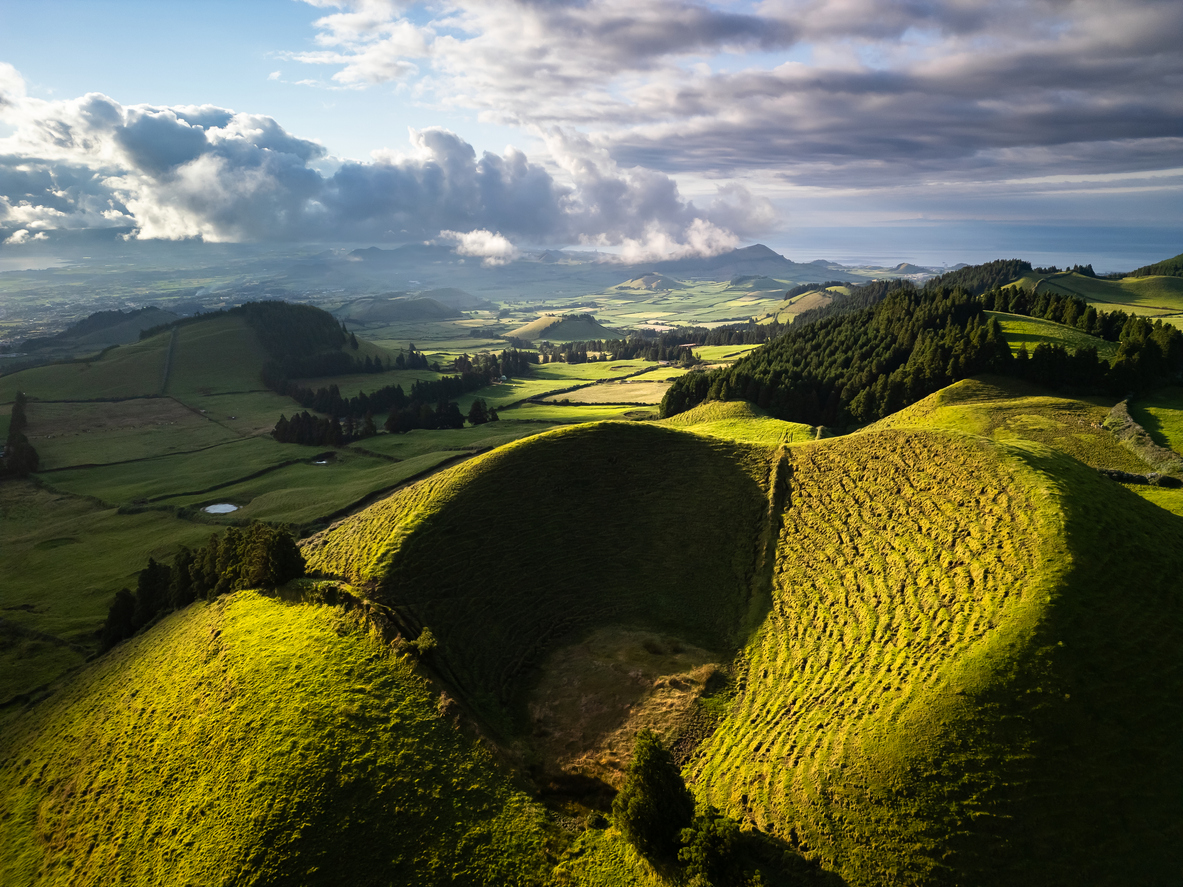
Great question! Visiting the Azores in autumn is actually one of the best-kept travel secrets. Here’s why it’s worth considering:
Weather & Atmosphere
- Mild climate: Autumn brings comfortably warm days (around 18–24°C / 64–75°F) and cooler nights, perfect for hiking and exploring without the intense summer heat.
- Fewer crowds: The busy summer tourist season tapers off, so you’ll find quieter trails, less crowded hot springs, and a more relaxed vibe.
Nature & Scenery
- Lush landscapes: The volcanic islands stay green year-round, but autumn’s softer light makes lakes, mountains, and coastal cliffs even more dramatic.
- Hydrangeas & autumn blooms: While the famous hydrangea season fades, other plants and trees begin shifting colors, giving a unique seasonal twist to the scenery.
- Waterfalls: Increased rainfall means waterfalls are at their most impressive.
Wildlife
- Whale & dolphin watching: Autumn is a strong season for spotting species like sperm whales and blue whales migrating through Azorean waters.
- Birdwatching: The islands are a key stopover for migratory birds, especially interesting for bird enthusiasts.
Relaxation & Activities
- Hot springs: Cooler evenings make soaking in volcanic hot springs (like in Furnas, São Miguel) extra cozy.
- Outdoor activities: Hiking, canyoning, surfing, and diving are still great in autumn, with warm ocean temperatures lasting until October.
Practical Benefits
- Lower prices: Flights and accommodations are usually more affordable compared to peak summer.
- Local festivals: Depending on the island, you might catch harvest festivals or cultural celebrations that are less touristy and more authentic.
In short: The Azores in autumn means mild weather, vibrant nature, unique wildlife, and fewer tourists—ideal if you love nature and want a peaceful yet adventurous escape.